
.png)




If you spend enough time in healthcare, you start to notice something.
We all tend to see problems through the lens we've been trained to use.
Go to an orthopedic surgeon, and surgery may be part of the conversation. Go to a chiropractor, and you'll probably talk about adjusting. A massage therapist may look at soft tissue. A physical therapist may think about exercise and rehabilitation. A strength coach is probably going to think about building strength and capacity.
None of those perspectives are inherently wrong.
In the right situation, any one of them might be exactly what you need.
The problem comes when our professional identity—or our ego—becomes more important than the person standing in front of us.
At Ascent Health & Performance, we've tried to build our approach around a simple philosophy:
No ego.
Our job isn't to prove that our favorite treatment works.
Our job is to figure out what you need, help you understand why, and build a path toward whatever you want your body to be capable of doing again.
Start With the Person, Not the Treatment
When someone walks into Ascent with back pain, shoulder pain, headaches, a running injury, or something that has bothered them for years, we don't want to start with:
"How should we treat this?"
We want to start with:
"What's actually keeping this person from doing what they want to do?"
Those are different questions.
Pain matters, of course. But so does everything surrounding it.
Can you work?
Can you sleep?
Can you pick up your kids?
Can you train?
Can you run?
Can you ski?
Can you hike into the mountains with a pack and trust that your knee or back is going to get you home?
Two people can walk into our clinic with the same diagnosis and need very different things.
That's why our first priority is understanding the person, their symptoms, their movement, their history, their goals, and the demands they eventually need to tolerate.
Then we decide what tools make sense.
Adjusting Is a Tool—and It's One We Like
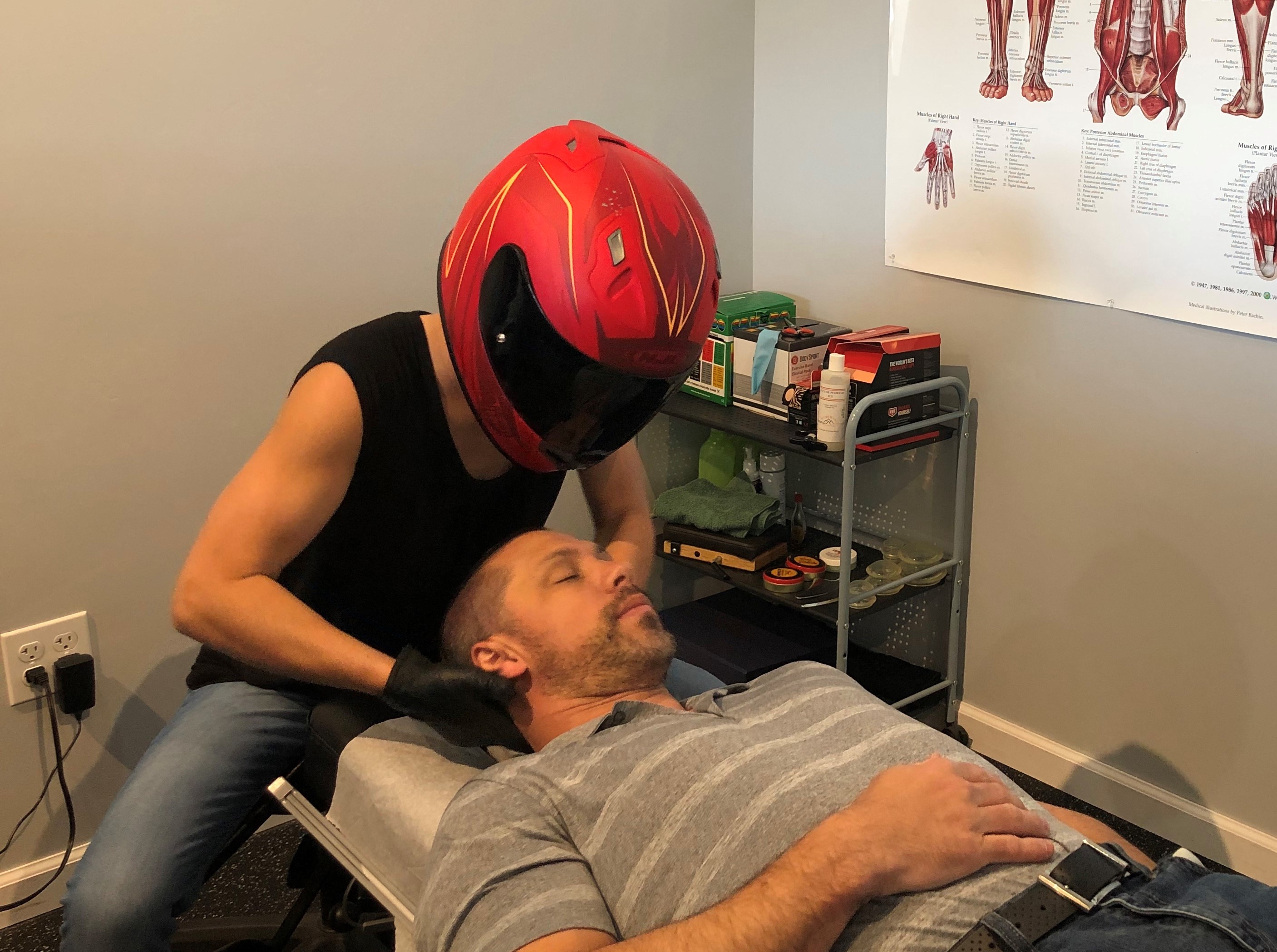
I'm a chiropractor.
I adjust people every day, and I think manipulation can be an incredibly useful tool.
An adjustment may help improve joint motion, change how something feels, reduce symptoms, or make movement more comfortable. Sometimes that's exactly what someone needs.
There are also excellent chiropractors who build most of their practice around adjusting. We don't think they're practicing chiropractic "wrong." They've simply chosen to practice with a particular set of tools.
We've chosen to build a larger toolbox.
That doesn't make us better. It gives us more options.
Because being a chiropractor doesn't mean that every problem I see needs to be solved with an adjustment.
Sometimes someone needs mobility work.
Sometimes they need hands-on soft-tissue treatment.
Sometimes they need to learn how to control a movement.
Sometimes they simply need to get stronger.
Sometimes focused shockwave therapy may be appropriate for a stubborn tendon or other musculoskeletal condition.
Sometimes another provider on our team has a skill set that is better suited to the problem than mine.
And sometimes what someone needs isn't something we offer at all.
Recognizing that is part of good healthcare, too.
No Ego Also Means Being Willing to Change the Plan
"No ego" doesn't mean pretending we don't have expertise.
It means not becoming so attached to our expertise—or our original idea—that we stop paying attention to what's actually happening.
We form a working diagnosis. We develop a plan. We treat. We reassess.
And then the patient gives us new information.
Maybe the adjustment helped tremendously.
Maybe it didn't.
Maybe someone's pain improved, but the movement limitation we expected to change didn't.
Maybe an exercise that looked appropriate on paper clearly isn't appropriate for that person.
Maybe another clinician notices something we didn't.
Good.
That's information.
The plan isn't sacred. The patient is.
If the response doesn't match what we expected, our job isn't to defend the original plan. It's to reassess, modify it, or bring in someone else who can help.
That's one of the reasons Ascent has evolved into the practice it is today.
Pain Relief Is Important. But It's Usually Not the Finish Line.
When something hurts, feeling better matters.
We aren't going to pretend otherwise.
Hands-on care can be extremely valuable during that process. Adjusting, manual therapy, mobility work, and other interventions may help decrease symptoms and make movement easier.
But often, symptom relief creates an opportunity.
What we do with that opportunity matters.
If your hip suddenly moves better after treatment, can you control that new range?
Can you produce force through it?
Can you tolerate load there?
Can you use it when you're tired?
Can you use it while running downhill, picking up a barbell, skiing through uneven snow, or carrying a pack through the mountains?
That's where treatment begins transitioning into rehabilitation—and rehabilitation eventually begins transitioning into performance.
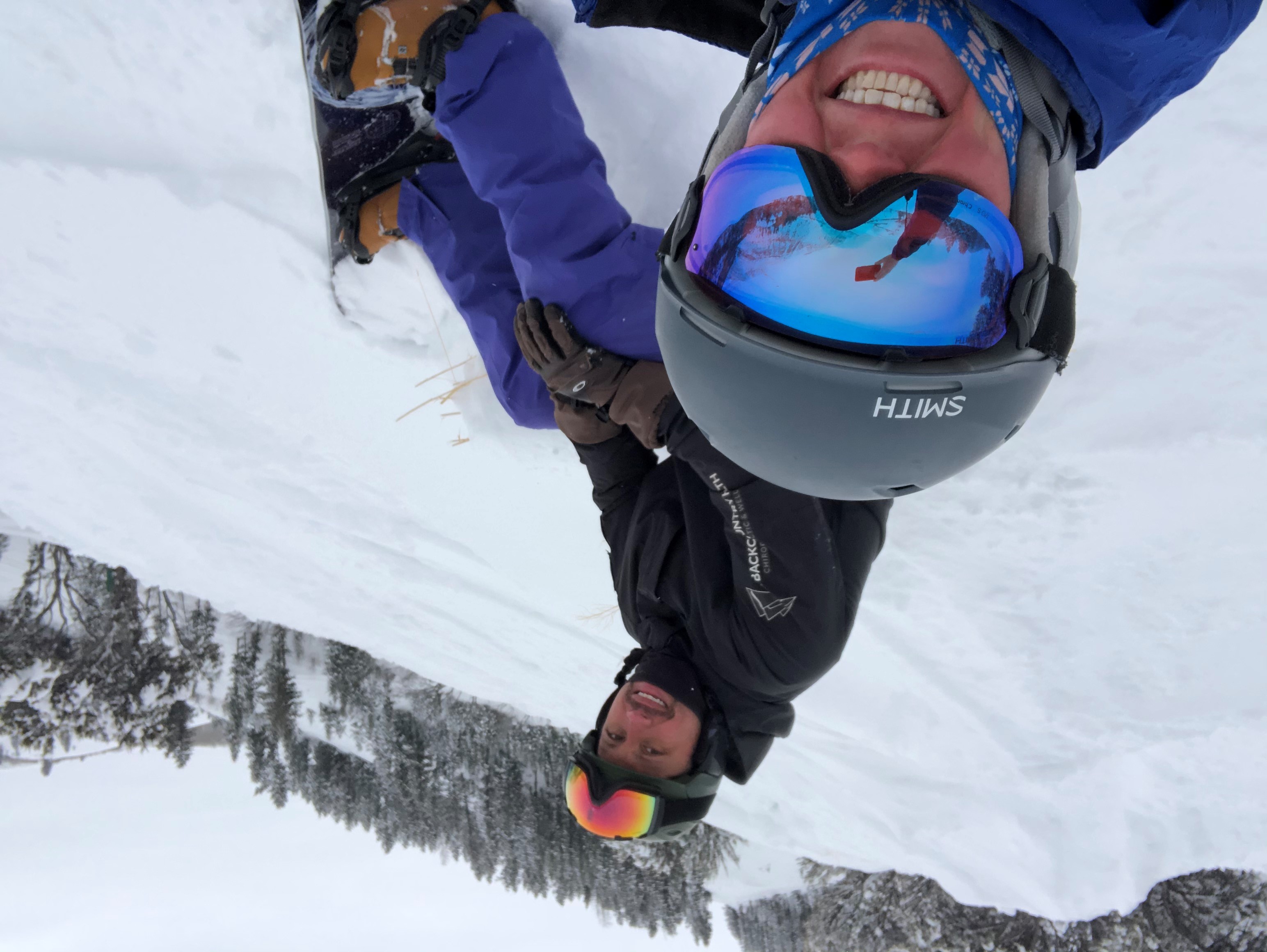
Our Movement-Based Approach: Mobility → Stability → Strength → Power
One of the frameworks we use to guide that progression is:
Mobility → Stability → Strength → Power
These aren't necessarily four completely separate phases. Real people aren't that tidy.
Instead, think of them as a hierarchy.
Mobility: Can You Get There?
First, you need enough movement to perform the task.
That doesn't mean everyone needs to be extraordinarily flexible.
It means having the usable joint motion necessary for what you're asking your body to do.
If that motion isn't available, your body is very good at finding another way.
Sometimes that's completely harmless.
Other times, the compensation becomes part of why a particular movement or activity isn't being tolerated well.
Treatment may help us create or restore some of that motion. But that's only the beginning.
Stability: Can You Control It?
Having range of motion and being able to control it are different things.
Once we can access a position, we want to be able to own it.
That requires coordination, motor control, appropriate muscular activity, and the ability to maintain position while the rest of the body moves around it.
This is why simply stretching something that always feels "tight" doesn't necessarily solve the problem.
Sometimes the body doesn't need more range.
It needs better control of the range it already has.
Strength: Can You Load It?
Once we have enough movement and control, we need capacity.
That means progressively exposing the body to force.
We don't believe people are fragile. Quite the opposite.
Muscles, tendons, bones, and other tissues adapt to the demands placed on them. Appropriate loading is one of the ways we build a body that can tolerate more.
But there's an important distinction:
Strength doesn't automatically fix movement. Sometimes it just makes a compensation stronger.
If someone repeatedly uses a movement strategy that isn't tolerating load well, simply adding more resistance may reinforce that strategy.
That doesn't mean we're chasing "perfect" movement.
There isn't one perfect squat, one perfect running stride, or one perfect way every human body should move.
We're looking for movement that is available, controlled, adaptable, and capable of tolerating the demands you place on it.
Then we make it stronger.
Power: Can You Use It When Things Get Fast?
Eventually, real life stops happening slowly.
You catch yourself when you slip.
You jump.
You run.
You change direction.
You ski.
You react.
You lift something quickly.
You absorb force.
Power is the ability to express strength quickly, and for many people it's an important part of completing the bridge from rehabilitation back to performance.
Not everyone needs Olympic-level explosiveness.
But depending on your goals, being able to produce and absorb force quickly may be an important part of being truly ready to return to the activities you care about.
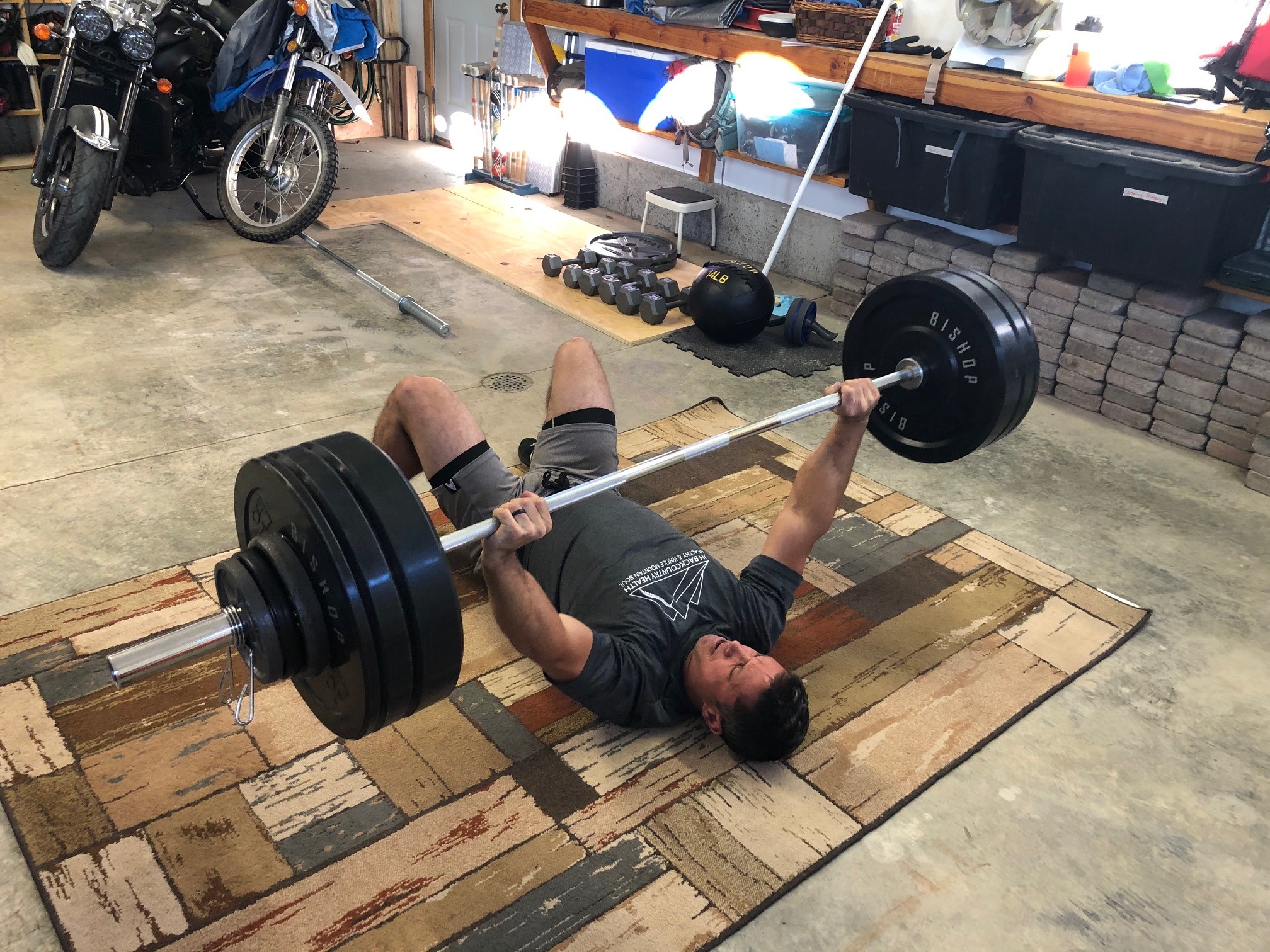
We Don't Chase Perfect Movement
This deserves its own explanation.
Movement is variable.
Human bodies compensate. We adapt. We find different strategies for accomplishing the same task.
That's normal.
Our goal isn't to turn everyone into a textbook diagram.
Instead, we're interested in whether a movement strategy is helping you do what you want to do—and whether your body can tolerate it.
Sometimes changing movement helps.
Sometimes increasing strength solves the problem.
Sometimes improving mobility gives someone options they didn't previously have.
Sometimes we leave something completely alone.
The assessment helps us decide which is which.
Rehab Should Eventually Look Like Your Life
Early rehabilitation isn't always exciting.
Sometimes we need to start with breathing, isometrics, controlled range of motion, basic stability work, or movements that look nothing like the activity you're trying to return to.
That's okay.
But we shouldn't stay there forever.
If your goal is to run, eventually you need to run.
If your goal is to lift heavy things, eventually rehabilitation needs to include heavy things.
If you want to ski, hike, mountain bike, hunt, play with your kids, work a physical job, or compete in a sport, your body eventually needs exposure to the forces and demands those activities require.
That's why Ascent intentionally overlaps healthcare, rehabilitation, strength, and performance.
We don't see those as completely separate worlds.
They're points along the same continuum.
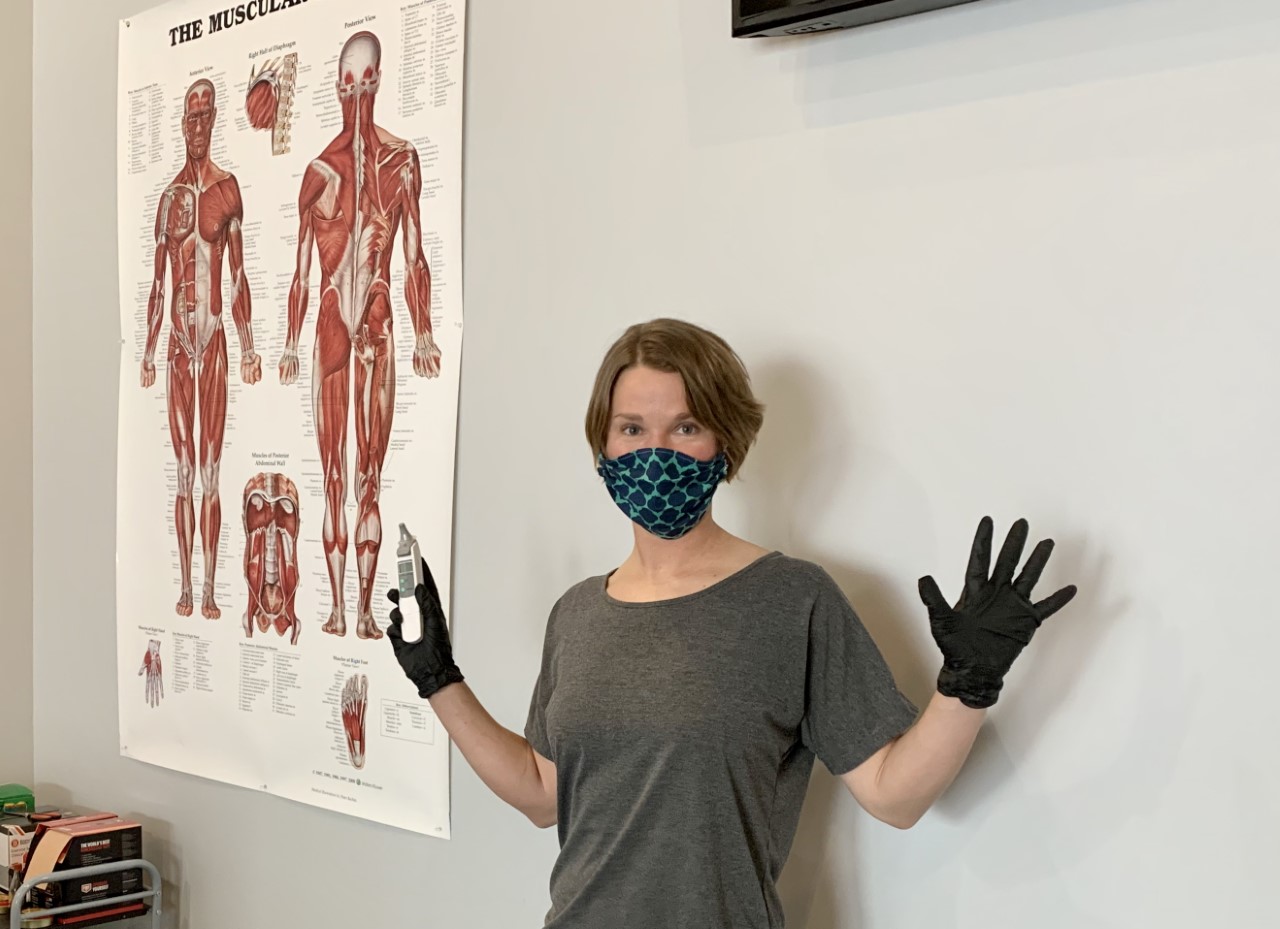
Sometimes the Best Provider for You Isn't Me
This may be one of the most important parts of the no-ego philosophy.
Ascent isn't built around one provider doing everything.
Laura and I are chiropractors. Shreena brings physical therapy expertise and additional specialization in areas such as pelvic health. Our coaches spend considerably more time in the world of strength, conditioning, and performance.
Those perspectives overlap, but they aren't identical.
That's a good thing.
Sometimes I'll evaluate someone and realize Shreena should be involved.
Sometimes someone finishes the rehabilitation portion of care and the best next step is working with one of our coaches.
Sometimes we're working together.
And sometimes we need to send someone outside Ascent—to their primary care provider, an orthopedist, a neurologist, for imaging, or to another professional with expertise we don't have.
Referring someone elsewhere isn't losing a patient.
It's taking care of one.
.JPG)
What to Expect When You Come to Ascent
Your care should make sense to you.
That starts with an evaluation.
We want to understand what happened, what you're experiencing, what you've already tried, what your examination tells us, and—most importantly—where you're trying to go.
From there, treatment may begin immediately when appropriate.
What happens next depends on what we find.
We may use chiropractic manipulation, manual therapy, mobility work, therapeutic exercise, focused shockwave therapy, progressive strength work, or some combination of those tools.
But every tool should have a reason for being there.
Then we pay attention to what happens.
Did symptoms change?
Did movement change?
Can you tolerate more?
Are we moving toward the goal?
If yes, we progress.
If not, we reassess.
The Goal Isn't to Make You Dependent on Us
There are people who genuinely enjoy periodic chiropractic or manual care.
They feel better with it. They move better. It helps them stay active.
There's nothing wrong with that.
But maintenance care should be something you choose, not something you're frightened into believing you need.
Our bigger goal is to help you understand your body and build enough capacity that you feel confident using it.
For some people, that means working through an injury and graduating back to independent training.
For others, it means transitioning into performance training.
Some continue periodic care because they value it.
Others disappear into the mountains until something else happens.
We're perfectly happy with that, too.
The Right Tool, at the Right Time, for the Right Reason
Ascent has changed considerably over the years, and I hope it continues to.
We'll learn more.
We'll add tools.
We'll stop doing things when better evidence or experience gives us a reason to change.
We'll continue learning from one another and from the people we treat.
Because our identity isn't tied to an adjustment, an exercise, a piece of equipment, or any particular treatment philosophy.
It's tied to helping the person in front of us move toward something that matters to them.
No ego.
Assess the person.
Choose the right tool.
Pay attention to the response.
Build movement.
Build capacity.
And eventually, get out of the way and let people go use it.
That's our approach.
- Chiropractic Care
- Physical Therapy
- Focused Shockwave Therapy
- Personal Training / Performance
- Why Chronic Pain Doesn't Heal — And What Finally Makes It Change
- Chronic Low Back Pain
- Flexibility vs. Mobility: Why Stretching Alone Isn't Fixing Your Pain