
.png)



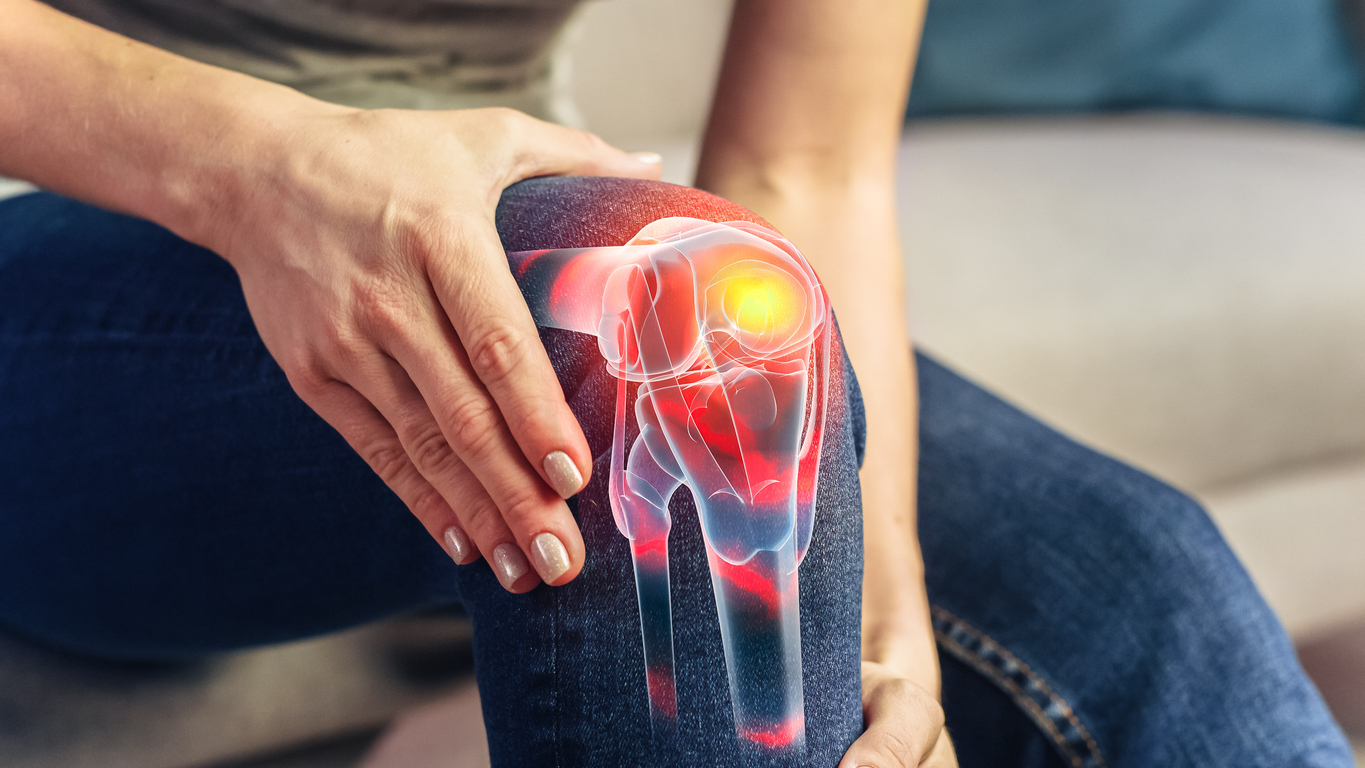

If the front of your knee hurts when you squat, run, hike, climb stairs, or get up from a chair, it’s understandable to assume the problem is entirely at the knee.
Sometimes it is.
But one of the most important parts of a good physical therapy evaluation is figuring out why the knee is being loaded the way it is in the first place.
The hip above it and the ankle below it both influence how the knee moves under load. If either region is restricted, the knee may have to compensate.
A randomized controlled trial published in Life in June 2026 gives us another useful example of this relationship. Researchers studied collegiate athletes with patellofemoral pain and found that adding targeted hip and ankle mobility rehabilitation improved several measures of pain, function, mobility, balance, and muscle activation.
It’s a finding that fits well with how Dr. Shreena Chopra approaches physical therapy at Ascent: evaluate the person and the movement pattern—not just the location that hurts.
What Is Patellofemoral Pain?
Patellofemoral pain is commonly felt around or behind the kneecap. It often becomes noticeable during activities that repeatedly load the knee, including:
- Squatting
- Running
- Hiking, especially hills and descents
- Going up or down stairs
- Lunging
- Jumping
- Sitting with the knee bent for prolonged periods
There isn't one universal cause.
Training load, strength, movement strategy, tissue capacity, hip mechanics, ankle mobility, previous injury, and the demands of a person's sport or daily life can all contribute.
That variability is exactly why simply identifying “knee pain” isn't enough to build a useful rehab program.
What Did the 2026 Study Find?
The 2026 randomized controlled trial included 48 male collegiate athletes with patellofemoral pain.
Researchers investigated whether adding six weeks of supervised hip- and ankle-focused mobility rehabilitation would improve outcomes beyond the comparison intervention.
The group receiving the additional mobility work showed improvements in several areas, including:
- Pain
- Knee function
- Targeted hip and ankle mobility
- Dynamic balance
- Timing between the vastus medialis and vastus lateralis muscles of the quadriceps
Interestingly, the improvements did not translate into better jump performance during the study period.
That last point matters.
Improving pain and mobility does not automatically mean someone has regained strength, power, or sport-specific capacity. Mobility can remove a restriction, but that's usually only one part of rehabilitation.
Why Would the Hip or Ankle Affect Knee Pain?
Think about a squat.
Your hip, knee, and ankle aren't functioning as three independent joints. They have to coordinate to lower your body, control your position, absorb force, and then produce force to stand back up.
If ankle dorsiflexion is limited, for example, your body still has to find a way to complete the movement. You may alter your foot position, shift your weight, change how the knee travels, rotate through the hip, or compensate somewhere else.
The same concept applies at the hip. Limitations in hip motion or control can change the position and loading strategy of the entire lower extremity.
None of this means:
“Your knee hurts because your ankle is tight.”
That's too simplistic.
It means that when someone presents with patellofemoral pain, hip and ankle mobility are worth assessing rather than assuming the painful knee is the entire problem.
This Is Where a Physical Therapy Evaluation Matters
At Ascent, Dr. Shreena Chopra doesn't start with a predetermined list of “knee exercises.”
She starts by figuring out what you can and can't currently do.
Depending on the person, that evaluation may include knee mobility and strength, hip range of motion, ankle dorsiflexion, single-leg control, balance, squat mechanics, step-down mechanics, gait or running demands, and other movements relevant to the activity the person wants to return to.
The goal isn't to find as many things “wrong” as possible.
It's to identify the factors that actually appear relevant to the problem.
If your ankle moves well, we don't need to spend six weeks trying to make it more mobile simply because ankle mobility helped participants in a study.
If your ankle is clearly restricted and that restriction changes how you squat, step down, run, or load the knee, then it becomes a meaningful rehab target.
That's an important distinction between following a protocol and treating the person in front of you.
.jpg)
Mobility Is a Starting Point, Not the Finish Line
We organize much of our rehabilitation at Ascent into four broad buckets:
Mobility → Stability → Strength → Power
Not everyone spends the same amount of time in every bucket, but the sequence gives us a useful framework for progression.
Mobility
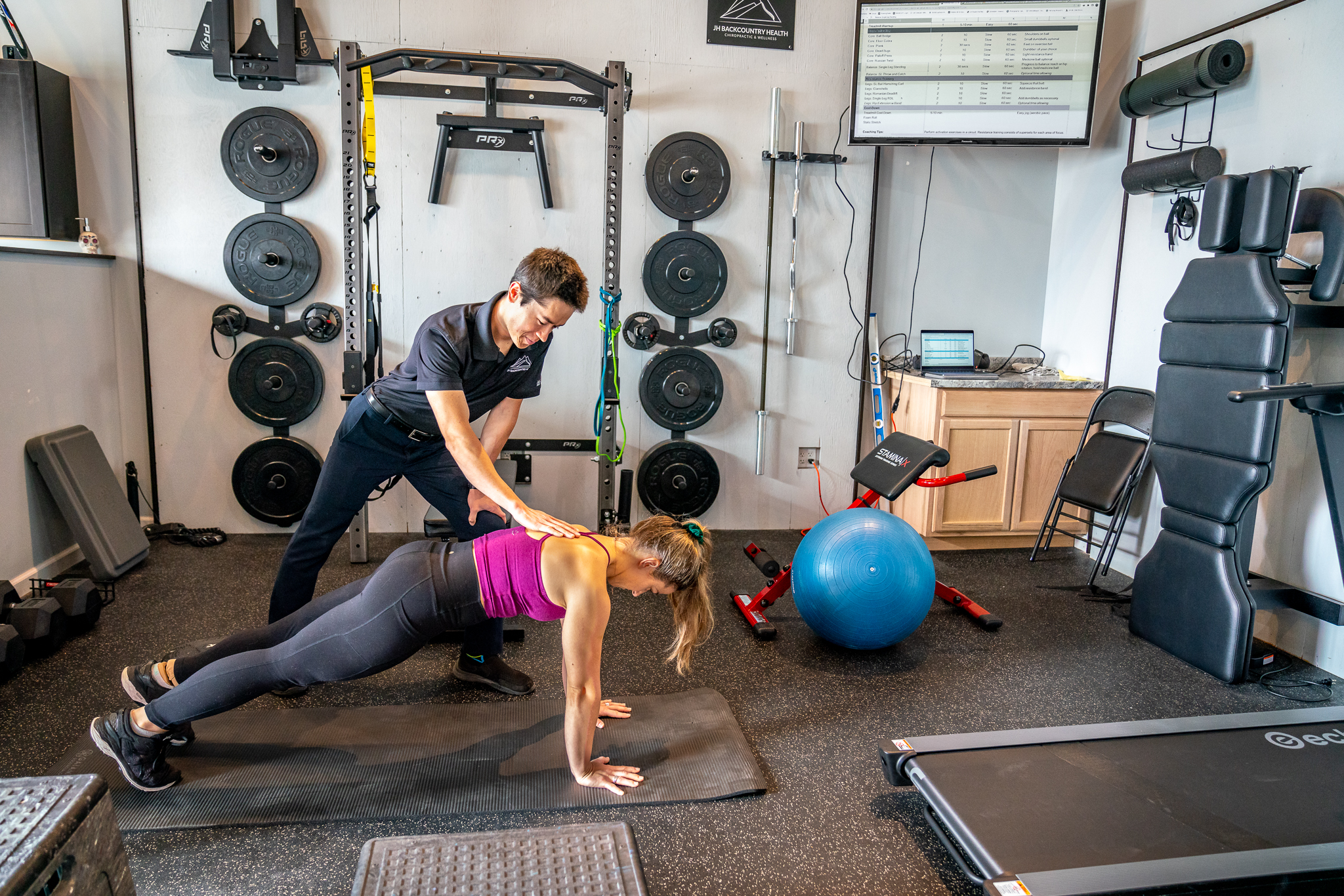
First, do you have enough available motion to perform the task?
For patellofemoral pain, that might mean identifying a meaningful restriction at the ankle, hip, or knee and working to restore it.
Stability
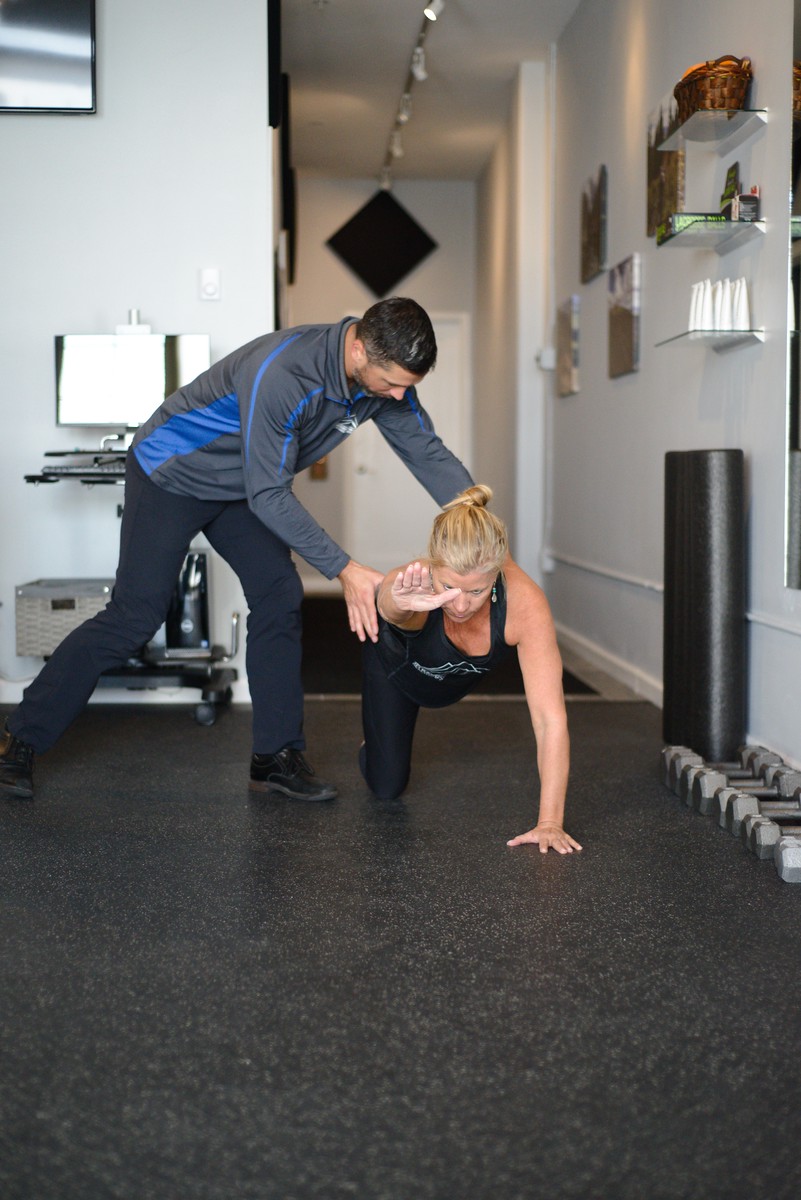
Next, can you control that available motion?
This is where balance, trunk and pelvic control, single-leg mechanics, and coordination become increasingly important.
The 2026 study's improvements in dynamic balance are particularly interesting here because they suggest the intervention affected more than passive range of motion alone.
Strength
Then we need to load it.
Depending on the individual, this may include progressively loaded:
- Squats
- Split squats
- Step-ups and step-downs
- Lunges
- Single-leg patterns
- Hip-dominant exercises
- Knee-extension patterns
This is where rehabilitation begins building the capacity necessary for everyday life, training, running, hiking, skiing, or whatever comes next.
Power
For an athlete, pain-free daily activity isn't necessarily the finish line.
Running, jumping, cutting, skiing, field sports, and other athletic activities require the ability to accept and produce force quickly.
Remember that the athletes in this study improved several clinical measures without improving jump performance.
That's a useful reminder that restoring mobility isn't the same thing as restoring performance.
What This Study Does—and Doesn't—Tell Us
This was a relatively small study of 48 young male athletes from a single university. There was no attention-matched treatment group, and the findings shouldn't automatically be generalized to every person with anterior knee pain.
It also doesn't prove that hip and ankle mobility limitations cause all patellofemoral pain.
What it does provide is additional evidence for a clinically useful idea:
When treating knee pain, there can be value in assessing and addressing relevant movement restrictions above and below the knee.
And when those restrictions improve, rehabilitation still needs to progress toward strength, load tolerance, and eventually the demands of the person's activity or sport.
Physical Therapy for Knee Pain at Ascent
This is one of the reasons we wanted physical therapy integrated directly into Ascent Health & Performance.
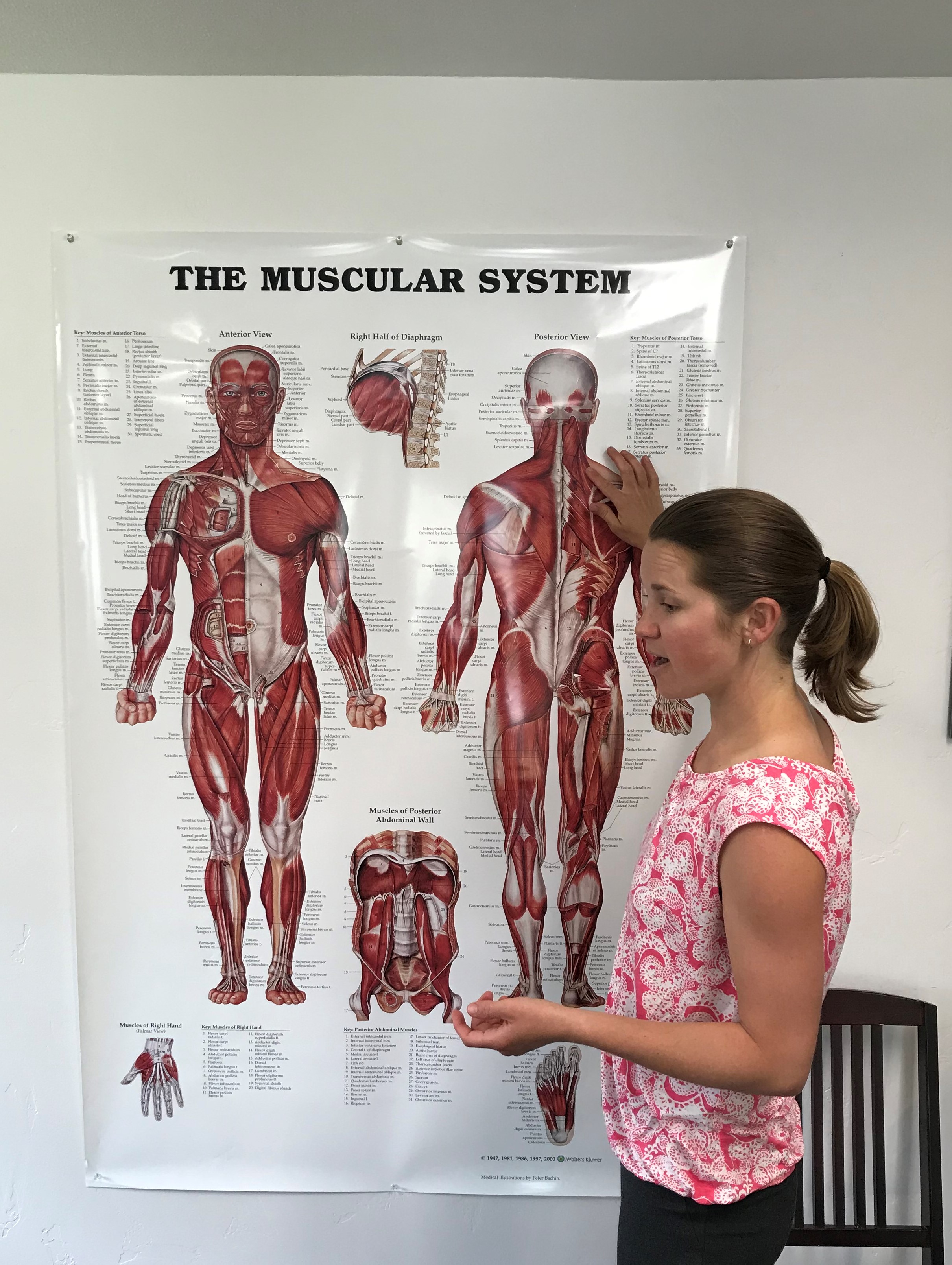
Dr. Shreena Chopra, DPT, can evaluate the painful area while also looking at how the rest of the movement system may be contributing to it.
For someone with patellofemoral pain, that could mean treating a mobility restriction first. For someone else, mobility may already be adequate and the bigger need may be strength, load management, movement control, or a progressive return to running or sport.
The treatment should follow the findings.
If knee pain is keeping you from running, hiking, lifting, skiing, or simply moving comfortably, a physical therapy evaluation can help determine what actually needs to change—and what doesn't.
Source
Hip-and-Ankle Mobility Rehabilitation for Patellofemoral Pain. Life. Published June 2026. Randomized controlled trial evaluating six weeks of supervised hip- and ankle-focused mobility rehabilitation in collegiate athletes with patellofemoral pain.